

Sven Huber was still suffering from numbness and sexual dysfunction, even 18 months after coming off his last pill.
Adele Framer endured years of weeping spells, surges of sheer terror and sudden plunges into pure dread.
And for every Phillipa, Sven and Adele, millions more testify to horrific experiences withdrawing from antidepressant drugs.
“For 36 years, CCHR has documented patient testimonies, regulatory failures and industry tactics that minimized the risks of antidepressant withdrawal.”
Despite decades of documented evidence, the psychiatric establishment is only now conceding that withdrawal from SSRIs, a class of antidepressant drugs, can be far more common, severe and prolonged than they previously maintained.
For too long, patients reporting withdrawal symptoms were told they were simply experiencing a relapse of their original “mental illness.” But the Psychiatric Times is finally acknowledging that labeling SSRI withdrawal as “a relapse” has been a “common diagnostic error,” resulting in individuals being forced back onto harmful drugs, thereby “trapping patients in a cycle of long-term use based on a misunderstanding of their symptoms.”
The Psychiatric Times’ admission confirms what mental health watchdog Citizens Commission on Human Rights (CCHR) has long warned. “For 36 years, CCHR has documented patient testimonies, regulatory failures and industry tactics that minimized the risks of antidepressant withdrawal,” CCHR International President Jan Eastgate said.
In 2019, The New York Times reported that physicians had for years “dismissed or downplayed such symptoms.” Psychology Today also reported that internal pharmaceutical company documents revealed instructions to “highlight the benign nature of discontinuation symptoms.”
Such “discontinuation symptoms” include dizziness; vertigo; “brain zaps” (electric shock sensations); numbness; tingling; burning; cognitive impairment; akathisia (a disorder characterized by an intense urge to move and severe inner restlessness); anxiety and emotional blunting.
These are hardly “benign.” Any one of them can be debilitating and can drive many to suicide.
The Psychiatric Times article’s authors describe their reassessment of antidepressant withdrawal as a “paradigm shift.”
“This is not a paradigm shift,” Jan Eastgate responded. “It is a belated recognition of a public health crisis that patients have been reporting for decades.”
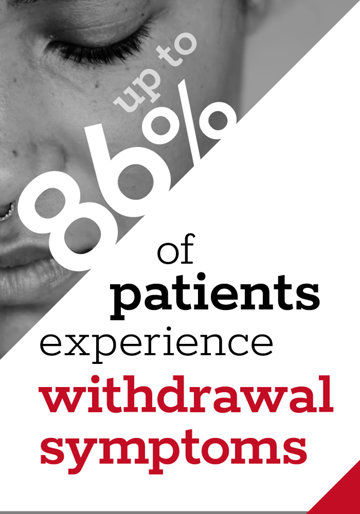
Forty-five million Americans—including children—take antidepressants. Fourteen studies have shown that up to 86 percent of patients experience withdrawal symptoms upon stopping the drugs.
That’s up to 39 million men, women and children—or the entire population of the state of California—suffering because they are coming off a psychiatric drug.
Or, to put it another way, that’s 39 million horror stories waiting to happen.
CCHR has demanded immediate action: “Until the FDA and the APA fully confront and correct a crisis that developed under their authority, millions remain at risk.”
Or, as Jan Eastgate put it, “Recognition in a journal is not reform. Acknowledgment is not accountability.”